The Problem: Atmospheric Drag at 550 km
At 550 km altitude, atmospheric drag is minimal but not zero. The thin atmosphere
causes gradual orbital decay that, if uncorrected, leads to eventual reentry.
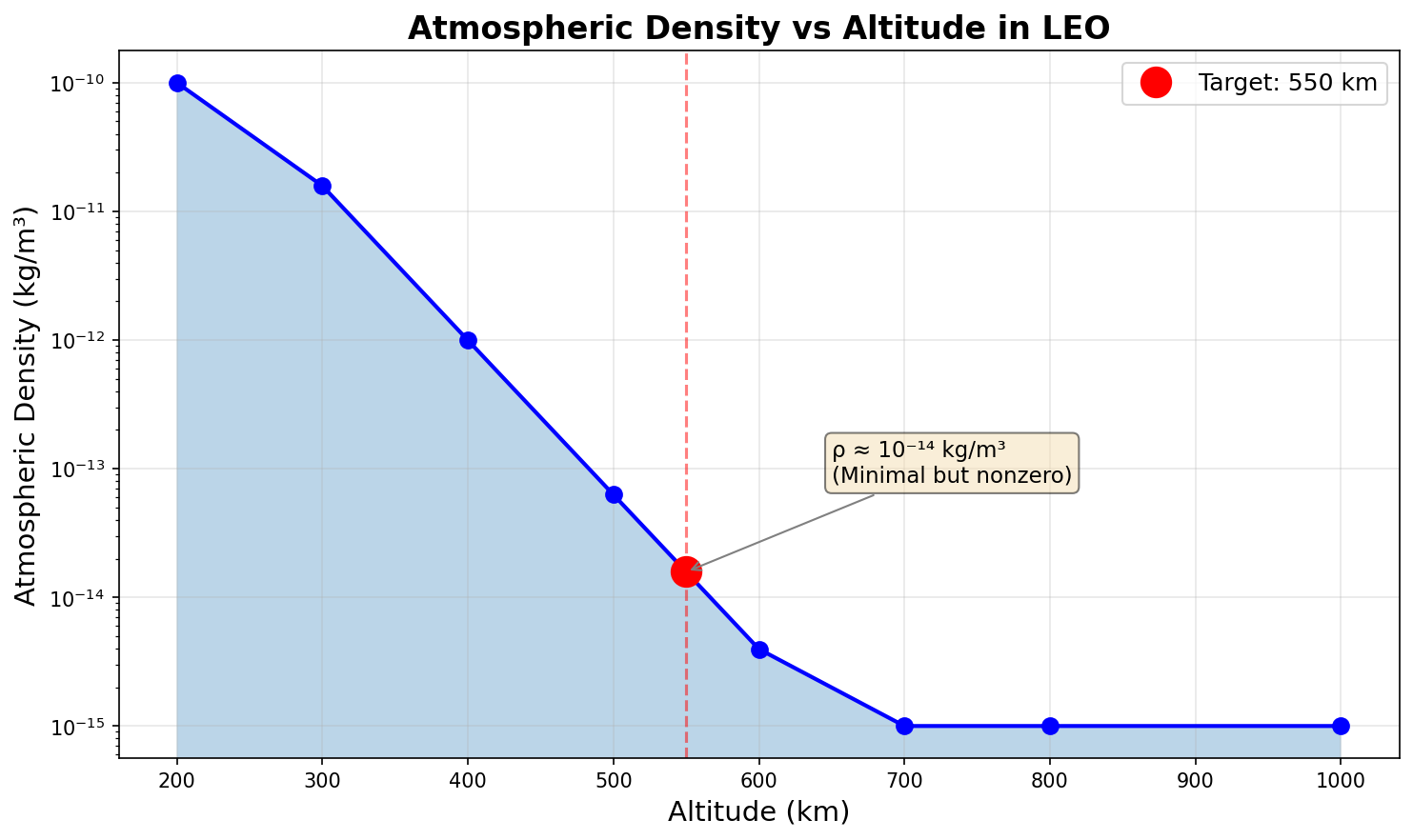
Figure 1: Atmospheric density decreases exponentially with altitude. At 550 km, density is approximately 10⁻¹⁴ kg/m³.
| Parameter |
Value at 550 km |
| Atmospheric Density |
~10-14 kg/m3 |
| Orbital Velocity |
7.6 km/s |
| Typical Drag Force |
0.001-0.01 N |
| Altitude Decay |
0.5-5 m/day |
| Orbital Period |
96 minutes |
Orbital Decay Without Station-Keeping
Without active station-keeping, satellites at 550 km experience gradual altitude loss.
Solar activity can amplify this effect by 10x during solar maximum periods.
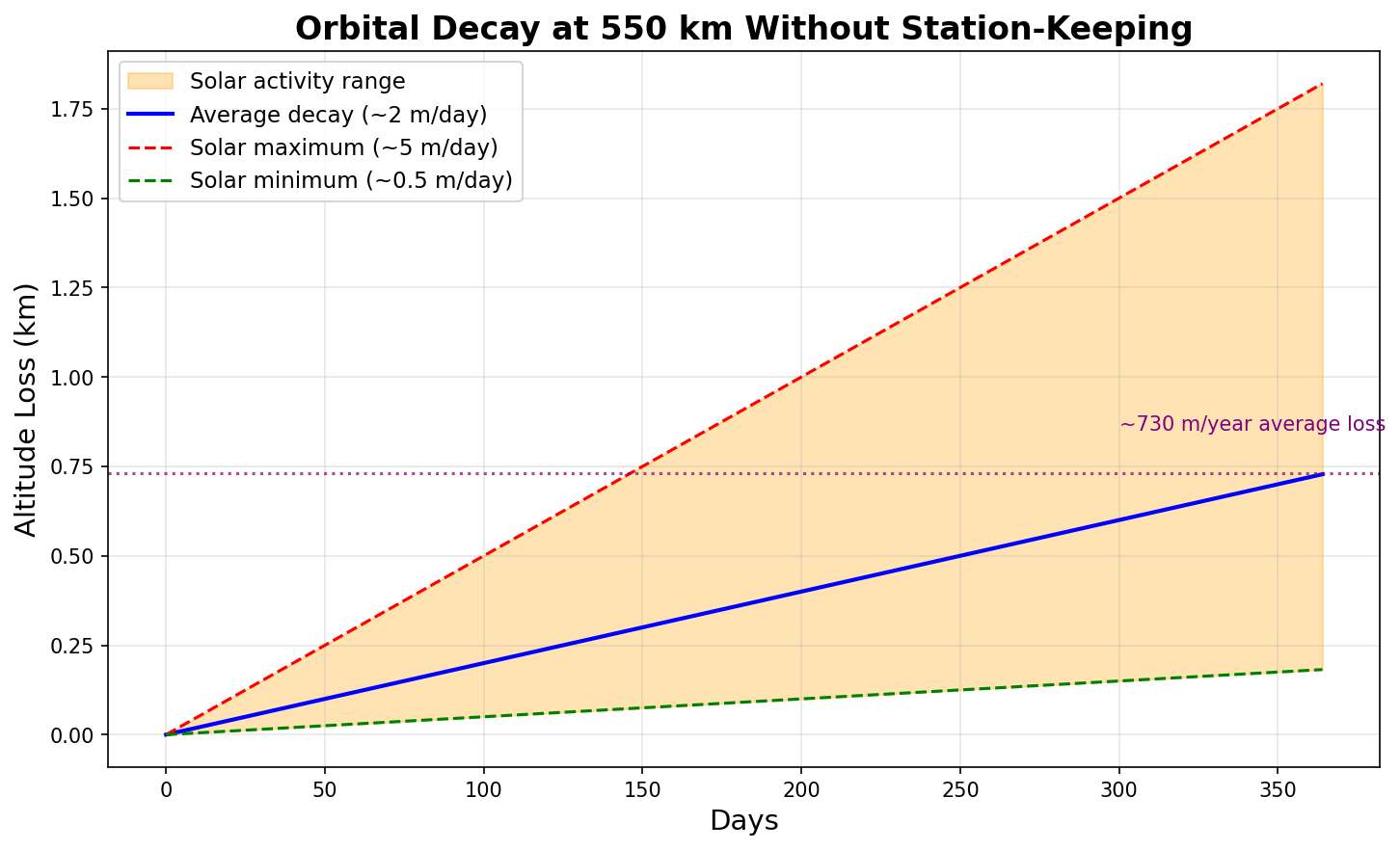
Figure 2: Annual altitude loss ranges from ~200m (solar minimum) to ~1.8 km (solar maximum). Average: ~730 m/year.
Understanding Drag Force Components
The drag force equation shows that velocity squared (v²) is the dominant factor,
making high orbital speeds the primary contributor to drag.
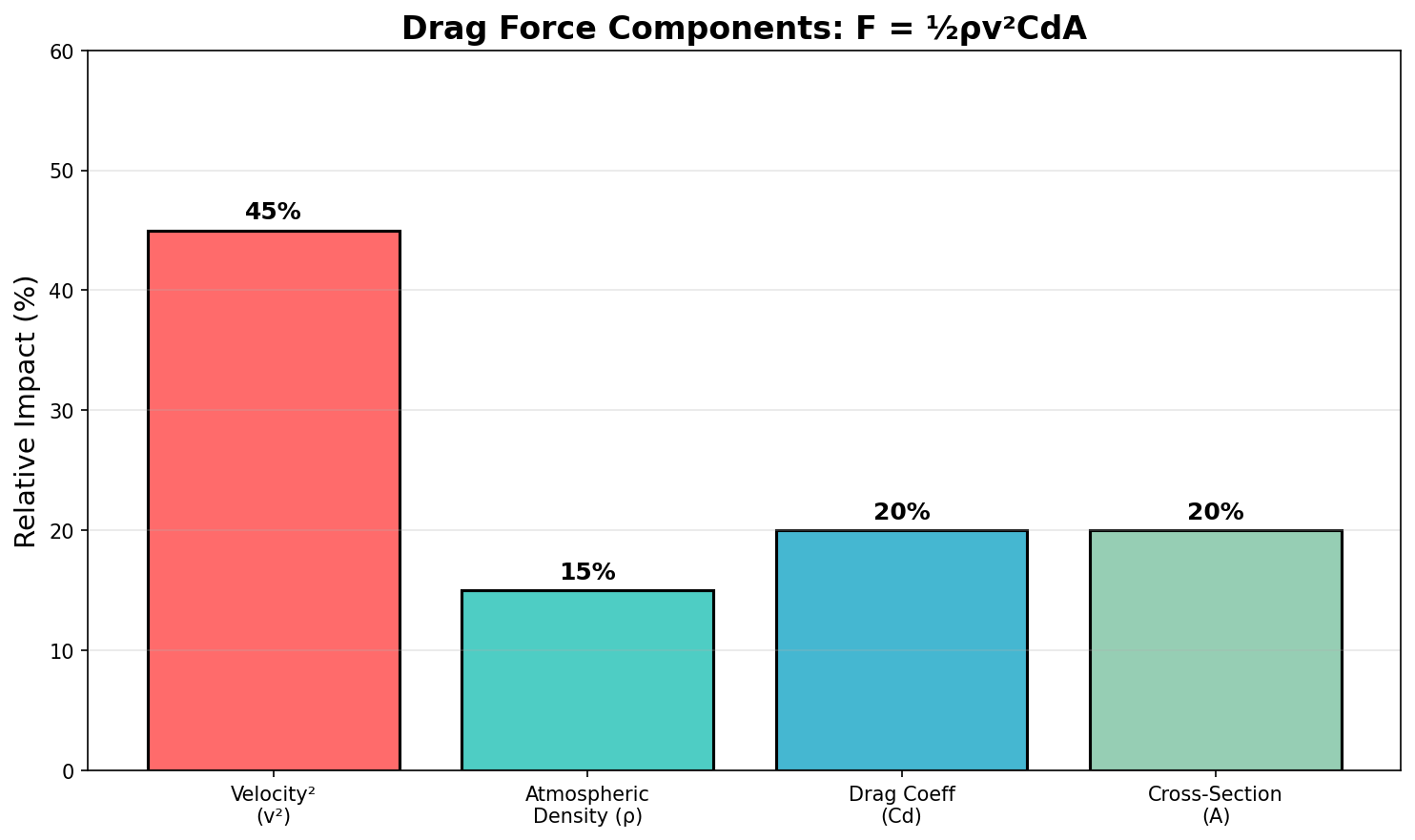
Figure 3: Drag force breakdown: Fdrag = ½ρv²CdA
The Solution: Ion Propulsion Station-Keeping
Ion propulsion combined with solar collector technology
provides an efficient, long-duration station-keeping solution for microsatellites.
┌─────────────────────────────────────────────────────────────────┐
│                    STATION-KEEPING SYSTEM                         │
├─────────────────────────────────────────────────────────────────┤
│                                                                  │
│   ┌──────────────┐      ┌──────────────┐      ┌──────────────┐   │
│   │    Solar     │      │    Power     │      │    Ion       │   │
│   │   Arrays     │─────▶│   System     │─────▶│  Thruster    │   │
│   │   (200W)     │      │  (Battery)   │      │  (0.5-2 mN)  │   │
│   └──────────────┘      └──────────────┘      └──────────────┘   │
│         │                                            │           │
│         │         ┌──────────────┐                   │           │
│         └────────▶│   Flight     │◀──────────────────┘           │
│                   │   Computer   │                              │
│                   └──────────────┘                              │
│                          │                                      │
│                          ▼                                      │
│                   ┌──────────────┐                              │
│                   │  Propellant  │                              │
│                   │  (Iodine)    │                              │
│                   └──────────────┘                              │
│                                                                  │
└─────────────────────────────────────────────────────────────────┘
Ion vs Chemical Propulsion
Ion thrusters excel at station-keeping due to their high specific impulse,
requiring far less propellant for long-duration missions.
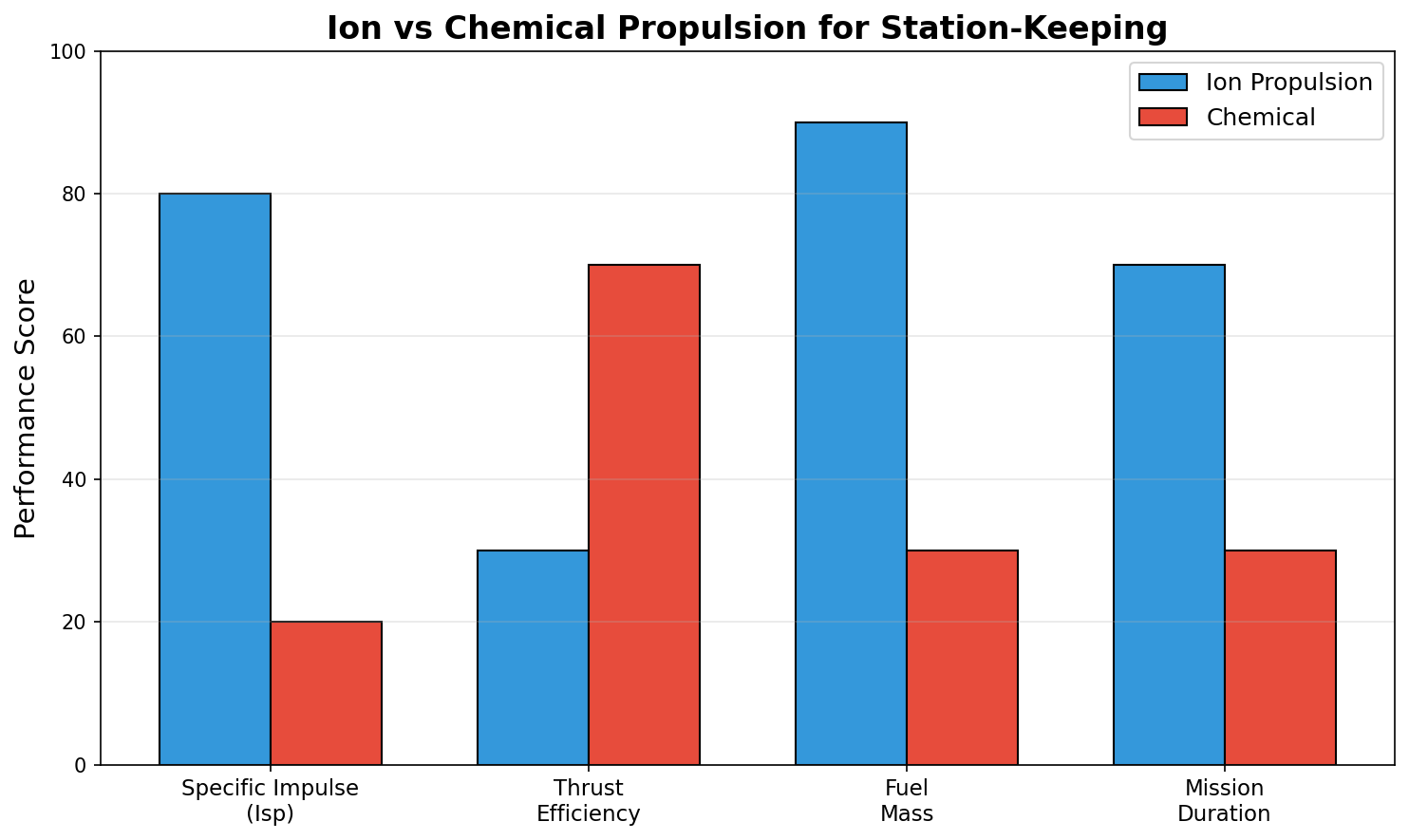
Figure 4: Ion propulsion offers 10x better fuel efficiency for station-keeping applications.
| Metric |
Ion |
Chemical |
| Specific Impulse (Isp) |
1500-3000s |
~300s |
| Fuel Efficiency |
10x better |
Baseline |
| Thrust |
0.5-2 mN |
1-100 N |
| Best For |
Station-keeping |
Large maneuvers |
Solar Power Generation Profile
At 550 km, satellites spend approximately 60% of each orbit in sunlight,
with 36 minutes of eclipse requiring battery power.
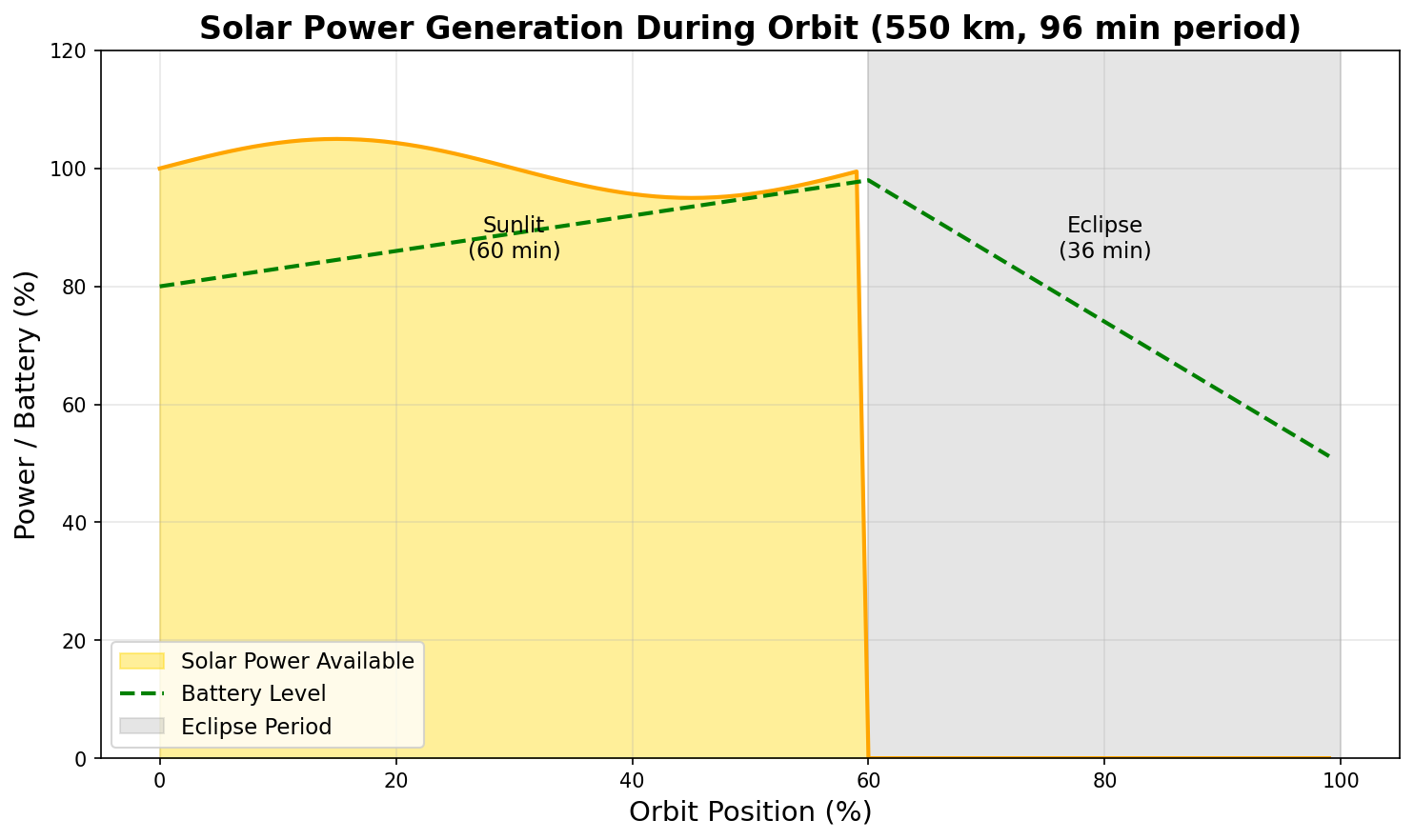
Figure 5: 96-minute orbital period with 60 minutes sunlit, 36 minutes eclipse.
Annual Delta-V Budget
A typical 550 km microsatellite requires approximately 33 m/s of delta-V per year
for complete station-keeping operations.
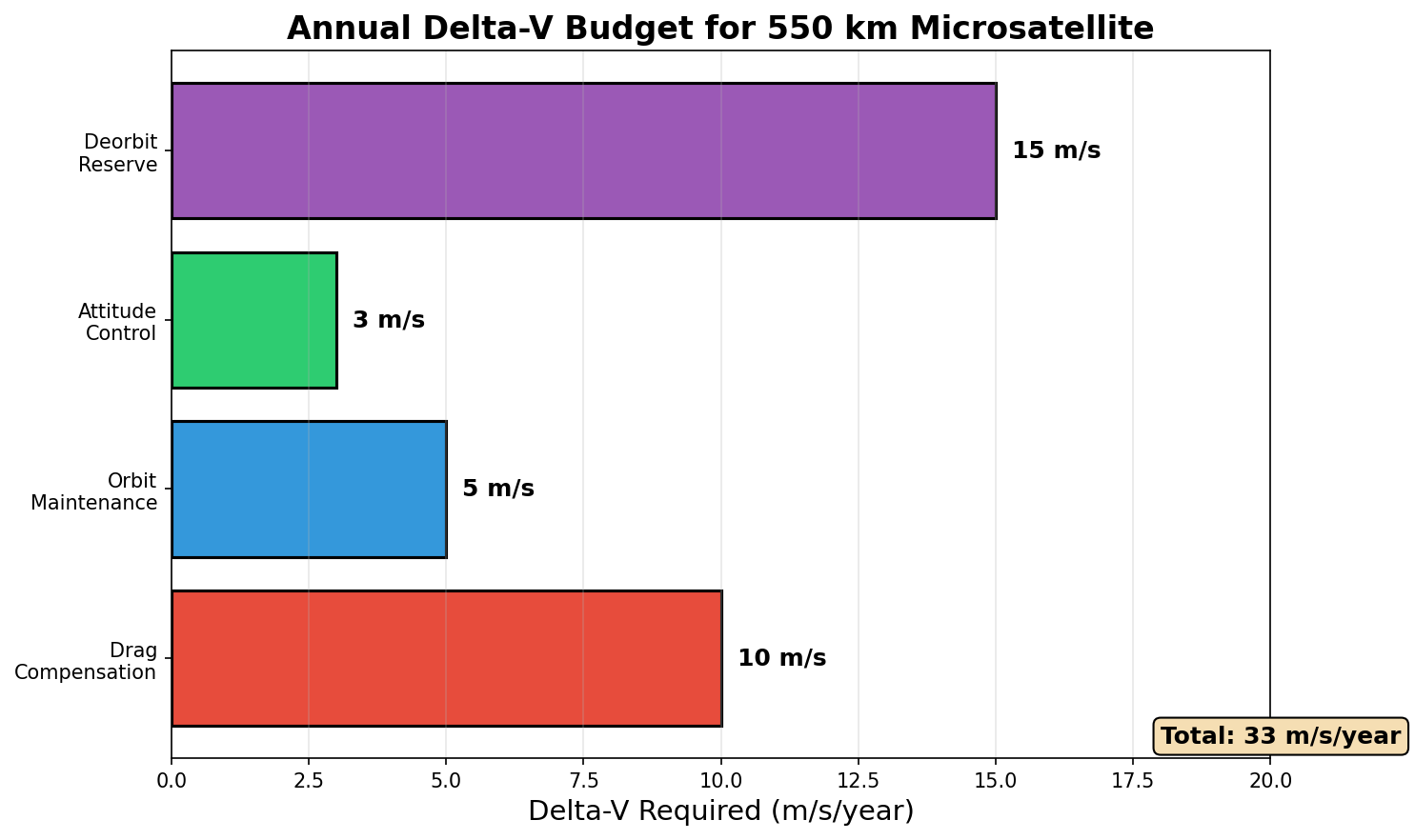
Figure 6: Annual delta-V budget breakdown by function.
| Function |
Delta-V (m/s/year) |
| Drag Compensation |
10 |
| Orbit Maintenance |
5 |
| Attitude Control |
3 |
| Deorbit Reserve |
15 |
| Total |
33 m/s/year |
With 2000s Isp, a 10 kg satellite needs only ~100g of propellant
per year for complete station-keeping.
Mass Budget (10 kg class)
| Component |
Mass |
Notes |
| Solar Arrays |
1.5 kg |
Deployable, 200W |
| Ion Thruster |
0.8 kg |
Hall or electrospray |
| Propellant |
0.5 kg |
Iodine or Xenon |
| Power System |
1.2 kg |
Battery + PPU |
| Bus + Payload |
6.0 kg |
Structure, comms, instruments |
| Total |
10.0 kg |
|
Development Timeline
A 12-month development cycle from analysis to launch readiness is achievable
for a standardized microsatellite platform.
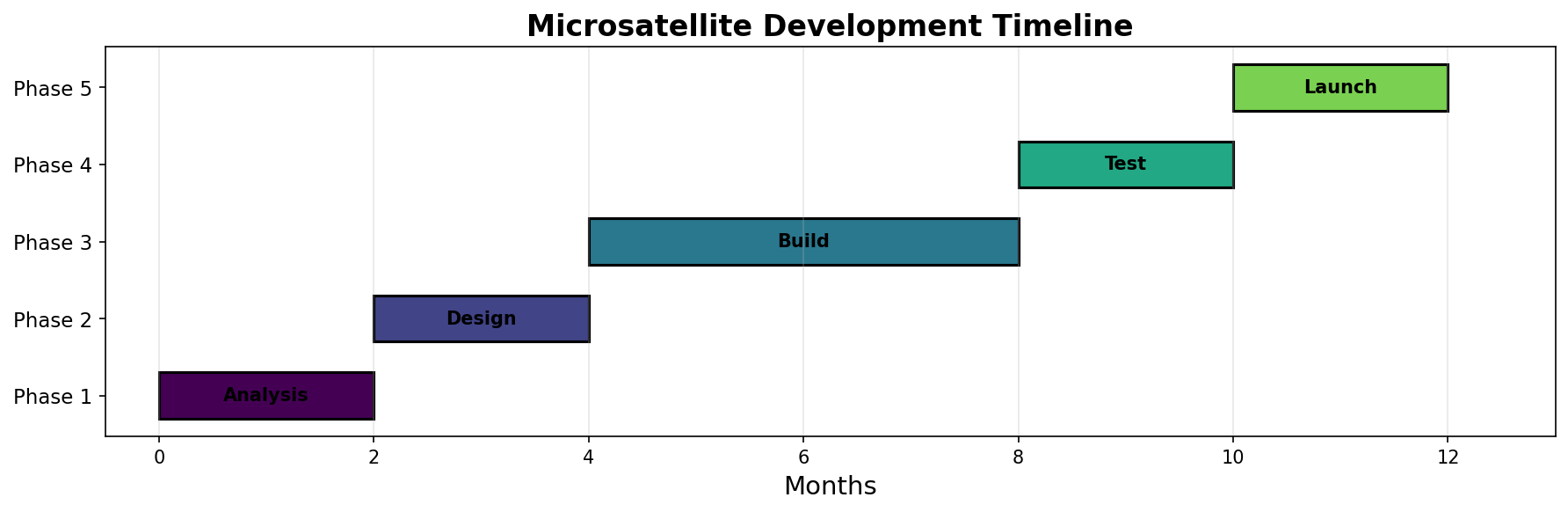
Figure 7: 12-month development timeline from analysis through launch.
Key Recommendations
- Select Hall-Effect Thruster - Proven technology, 1500-2000s Isp
- Use Iodine Propellant - Cheaper than Xenon, solid storage
- Oversize Solar Arrays - 20% margin for degradation
- Automated Station-Keeping - Ground weekly, onboard daily
- Plan for Solar Maximum - Increased drag 2025-2027
Conclusion
At 550 km, atmospheric drag is minimal but real. Ion propulsion powered by
solar collectors provides an efficient solution for maintaining orbit over
5+ year missions. Small microsatellites can maintain precise orbital position
with less than 100g of propellant annually.
Solar-powered ion propulsion enables affordable, long-duration LEO missions.
STS GYM Research | Hardware Papers | April 2026